Make a move repeatable
A move you land once is a memory. A move you land on demand, in both directions, is a skill. The difference is how you practise.
Repetition is not the same as practice
The research behind deliberate practice, popularised by psychologist Anders Ericsson and described for general readers in Peak (2016, with Robert Pool), makes a distinction every freestyle paddler recognises once it is named. Simply doing an activity a lot tends to plateau. Improvement continues when practice has a specific goal just beyond current ability, full concentration, immediate feedback and a deliberate adjustment after each attempt.
On the water, that means fewer "let's see what happens" rides and more rides with a single sentence attached: "On this ride I am keeping my head forward as the bow drops." When the ride ends, you check that sentence, not the whole move.
Understand your edges
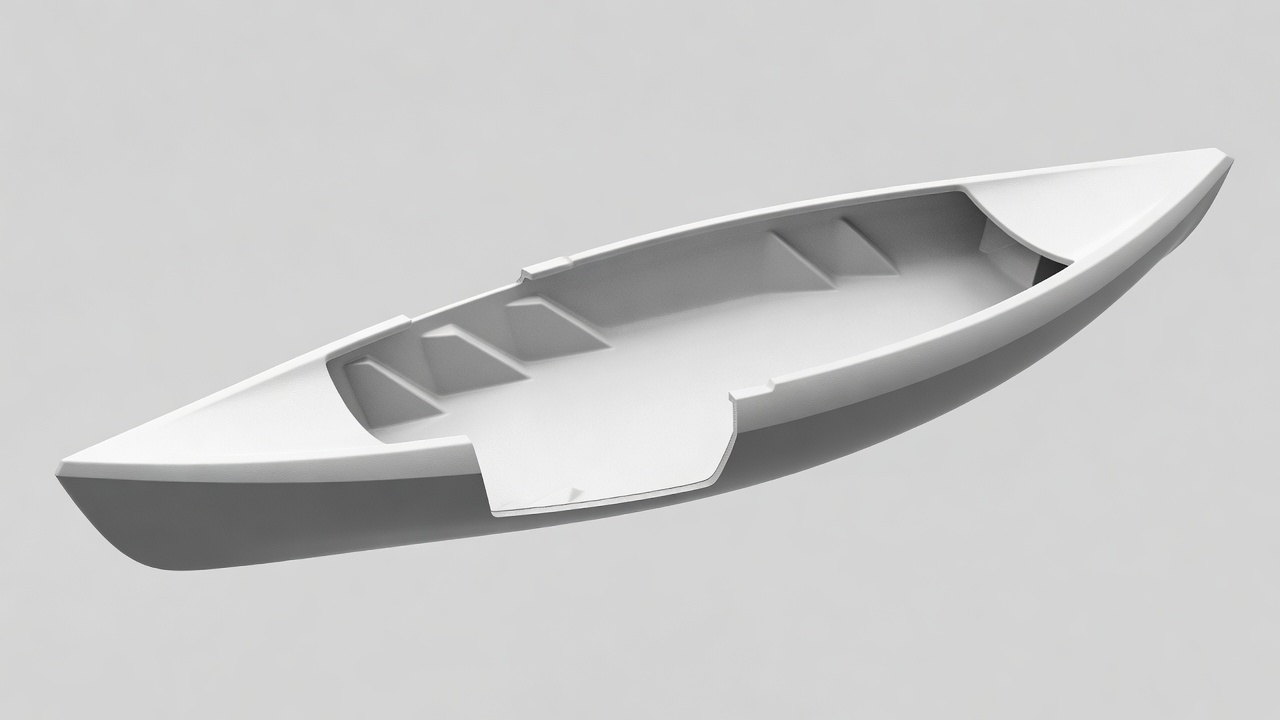
Modern freestyle kayaks, from manufacturers such as Jackson Kayak, founded by multiple world champion Eric Jackson, use short planing hulls with defined rails. On a wave, the flat bottom lets the boat spin; when you tilt, a rail engages and the boat carves. Most failed moves come down to the wrong edge meeting the current at the wrong moment. Before chasing a new trick, spend time on flat water tilting the boat to each edge and feeling how quickly it bites. Bow and stern squirts on flat water or eddy lines teach the same lesson cheaply.
Break each move into phases
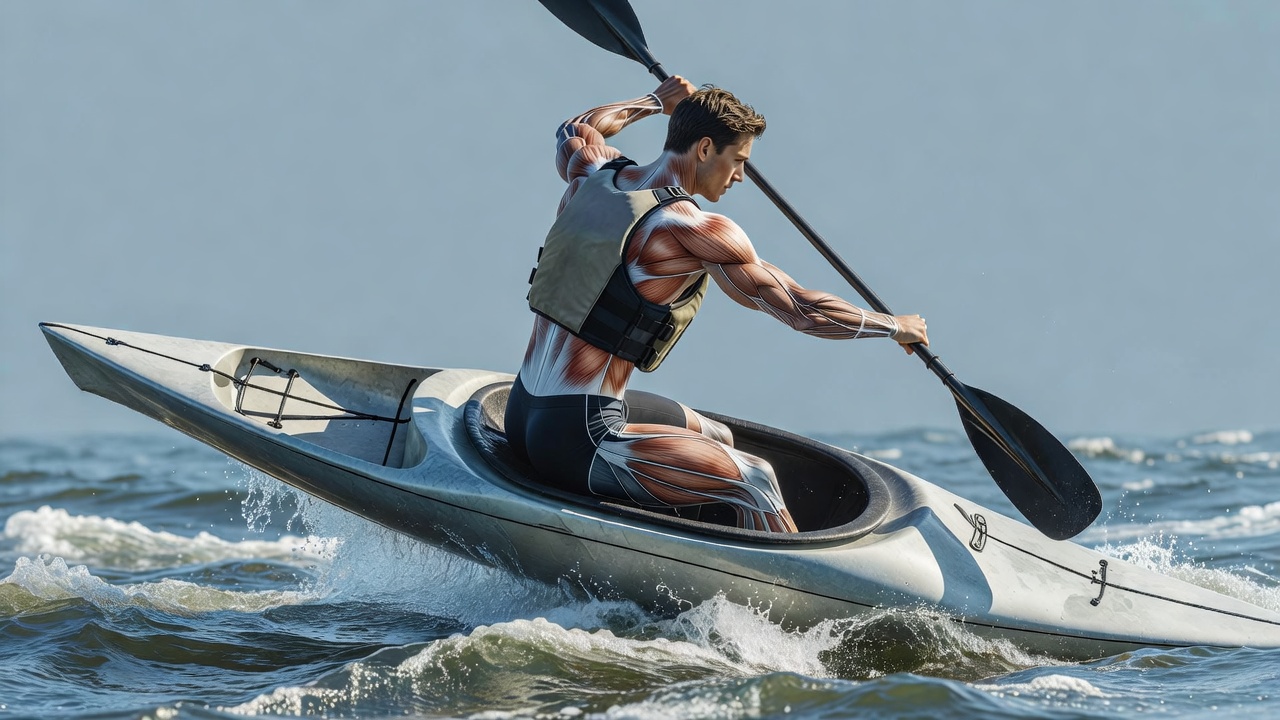
Every move can be described as setup, initiation, rotation and finish. A cartwheel needs a stable side surf or position in the hole (setup), a sharp drive of the bow edge down (initiation), torso rotation and a stroke that keeps the ends moving (rotation), and a balanced recovery ready for the next end (finish). When a move fails, name the phase that broke. That single word turns frustration into a plan.
Flat spin and clean spin
Setup on top of the foam pile; initiation with a sweep and a flattened hull; keep both edges free. A clean spin is a flat spin without paddle strokes during rotation, so balance and hull flatness carry it.
Cartwheel
Vertical end-over-end rotation in a hole. Initiation comes from driving the bow edge down with knees and torso; the next end is set up by looking where it is going before it gets there.
Loop
A forward somersault in a hole. Height comes from bouncing the boat on the foam pile before plunging the bow. Tuck forward through the rotation and keep the paddle ready for the landing.
Blunt and air screw
Wave moves using speed down the face. The blunt throws the bow over in a vertical rotation; the air screw adds an aerial, off-axis twist. Both depend on a confident carve back up the face before initiation.
Advanced wave combinations
Moves such as the McNasty, Phonics Monkey, Helix and Space Godzilla combine aerial rotation with inversion. Learn them only after the foundational wave moves are consistent in both directions and with a coach who knows the feature.
Structure the session, not just the move
Motor-learning research by John Shea and Robyn Morgan in 1979 introduced the contextual interference effect: practising one skill in a fixed block often looks better on the day, while mixing skills tends to produce better retention later. In freestyle terms, blocked practice (ten attempts at left cartwheels) is good for discovering a new feeling. Random practice (alternating left, right and a different move) is better for building something you can perform in a judged ride.
| Practice style | When to use it | What to measure |
|---|---|---|
| Blocked | First sessions of a new move | Phase that fails most often |
| Alternating sides | Once one side lands sometimes | Completion rate per direction |
| Random mix | Moves you already land | Clean completions under time pressure |
| Ride simulation | Weeks before competition | Total points and recovery after errors |
Use feedback that you can act on
Video is the most honest coach most paddlers have. Ask a partner to film from the bank at a consistent angle and keep clips short. Review them the same day, and limit yourself to one correction per session. A notebook column with "target, attempts, clean, note" is enough to show trends over weeks. Athletes such as Claire O'Hara and Dane Jackson have shown over many championship seasons how consistent, varied routines grow from thousands of controlled repetitions, not occasional heroics.
General guidance vs venue instruction: move descriptions here are generic. The exact timing on a particular hole or wave depends on its shape and flow, which a coach on the bank can see and a web page cannot.
Know when to stop
Quality drops before you notice it. If three consecutive rides show no improvement on your target, or you start rolling more than attempting, end the block. Switch to an easier move, rest or finish the session. Practising tired often rehearses the error. When fatigue arrives early, the next page is for you: Prepare the engine.